

Urithi Wetu PTP-II
Urithi Wetu PTP - II:
The Urithi Wetu PTP-II project is an initiative focused on environmental conservation and preserving Tanzania's cultural heritage. It combines tree planting, environmental education, and cultural activities to create awareness and promote sustainable practices. This project highlights the importance of protecting the environment while celebrating Tanzania’s history and traditions, ensuring these treasures are passed on to future generations.
A key feature of the project is a charity walk covering over 1,250 kilometers, starting from Ujiji, Kigoma, and ending in Kizimkazi, Zanzibar. Along this route, participants will plant trees, educate communities about climate change, and visit historical landmarks. By involving schools, local organizations, and community members, the project aims to bring people together to protect the environment and honor the nation’s rich history. Urithi Wetu PTP-II is not just about conservation it's about inspiring pride in Tanzania’s heritage and empowering communities to take action for a better future.
Project Duration:
- 3 months January to March (with +92 days dedicated to active walking, tree planting, and education activities)
Project Location:
The project will be implemented in 6 regions of Tanzania and Zanzibar:
- Kigoma Region: Ujiji, Kigoma DC, and Uvinza district
- Tabora Region: Urambo, Tabora Municipal, and Igunga district
- Singida Region: Singida DC and Manyoni district
- Dodoma Region: Bahi, Dodoma City Council, and Gairo District
- Morogoro Region: Morogoro DC and Morogoro Municipal council Municipal
- Bagamoyo Region
- Zanzibar: Kizimkazi
Background and Context
Tanzania, a nation celebrated for its breathtaking landscapes and rich cultural heritage, faces mounting environmental and historical challenges. Rapid deforestation, driven by population growth, agricultural expansion, and unsustainable land-use practices, has significantly degraded natural ecosystems. Climate change exacerbates these issues, leading to erratic weather patterns, loss of biodiversity, and increased vulnerability to environmental disasters. Alongside these environmental concerns, the nation's cultural identity and historical landmarks are at risk of being overshadowed or forgotten, particularly among younger generations who lack exposure to the country’s storied past.
The Urithi Wetu PTP-II project is as a proactive response to these challenges. It is a unique initiative that merges environmental conservation with cultural preservation, addressing both immediate ecological needs and the longer-term goal of fostering national pride and historical awareness. The project recognizes the interconnectedness of a thriving environment and a well-preserved cultural identity, seeking to balance these two priorities through targeted activities and community engagement.
At the heart of the project lies a visionary charity walk spanning over 1,250 kilometers, starting from Ujiji, Kigoma, and concluding in Kizimkazi, Zanzibar. This journey follows historical trade and cultural routes, emphasizing the importance of preserving Tanzania’s history while showcasing the beauty of its landscapes. The walk provides a platform for tree planting, environmental education, and cultural storytelling, creating a bridge between the past and the future.
The problem statement is clear: Tanzania faces dual threats of environmental degradation and cultural erosion, which, if left unchecked, will compromise the well-being of future generations. The Urithi Wetu PTP-II project addresses these challenges through a comprehensive, community-driven approach:
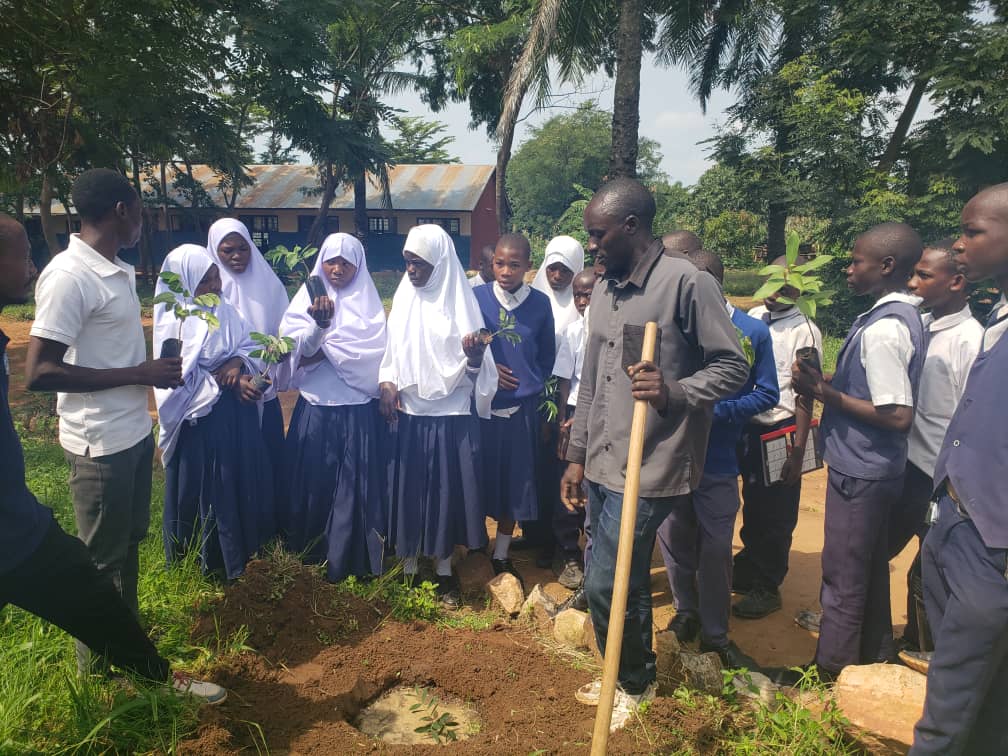
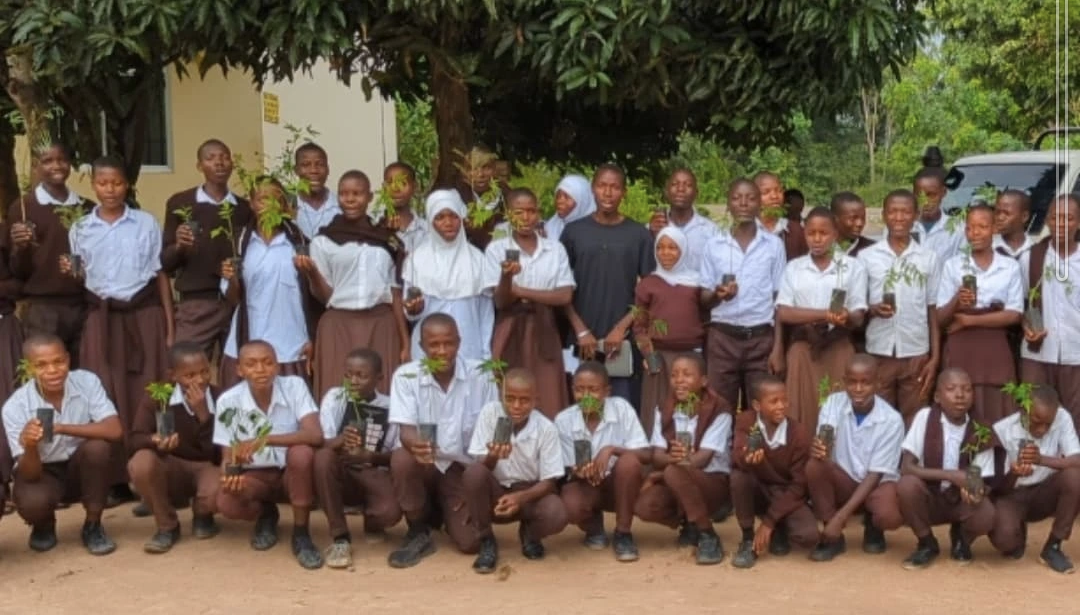
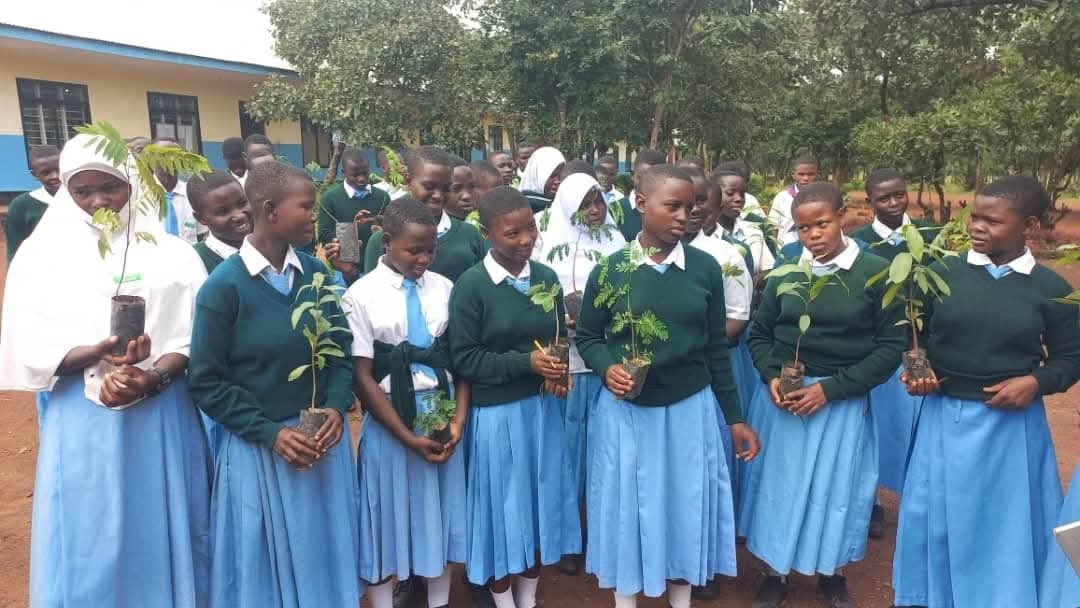
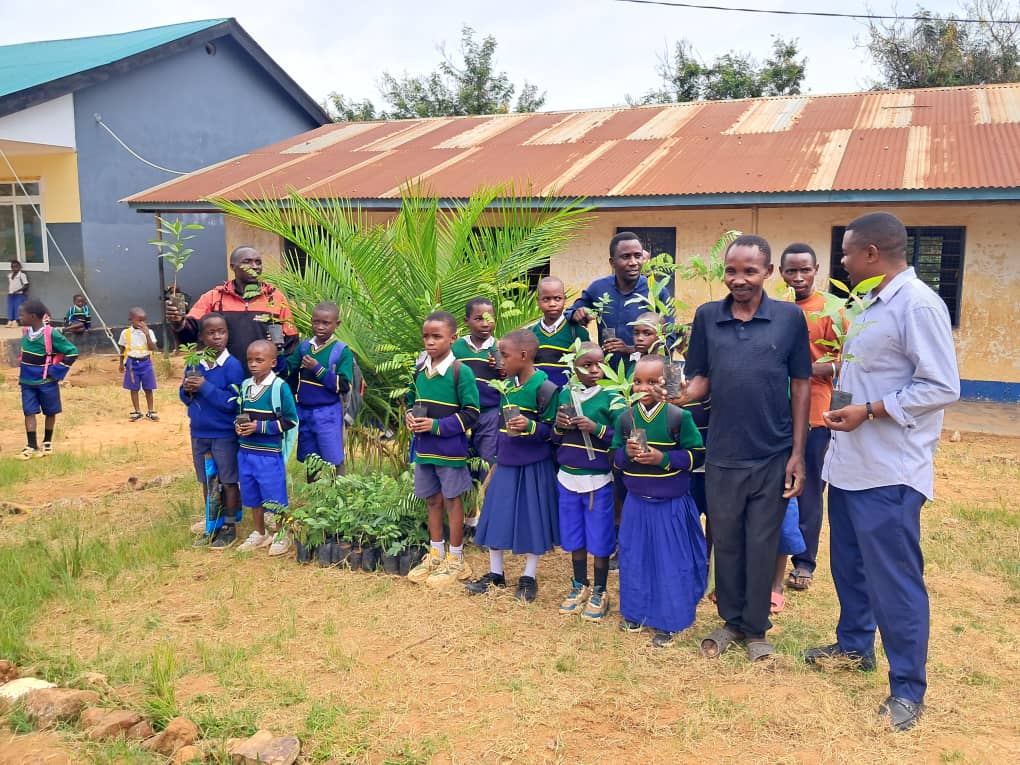
- Tree Planting Campaigns: By planting over 5,000 trees in schools, health centers, and public spaces, the project restores degraded landscapes, improves air quality, and provides sustainable livelihoods through fruit trees.
- Environmental Education: Workshops and seminars conducted in schools and communities build awareness about climate change, conservation, and sustainable practices, equipping participants with the knowledge to act as custodians of their environment.
- Cultural Preservation: The project integrates storytelling, preservation of historical landmarks, and promotion of traditional practices, ensuring Tanzania’s rich heritage is passed on to future generations.
- Community Engagement: The charity walk serves as a unifying event, fostering collaboration among local governments, NGOs, schools, and communities while drawing national and international attention to the cause.
Through these activities, Urithi Wetu PTP-II not only mitigates the impacts of deforestation and climate change but also rekindles a sense of cultural pride and responsibility among Tanzanians. The project transforms challenges into opportunities, inspiring a collective movement for sustainable development and heritage preservation. This is more than just an initiative it is a call to action for all Tanzanians to take ownership of their environment and history, ensuring a legacy of resilience and pride for generations to come.
Project Goal:
- To conserve the environment and preserve Tanzania’s history and traditions while creating awareness about sustainable development practices.
Project Objectives:
1. Plant a minimum of 5,000 indigenous and fruit trees across the identified regions.
2. Provide environmental education to schools and local communities to instill a culture of conservation.
3. Promote the preservation of historical sites and traditional practices through storytelling and community engagement.
4. Conduct a 1,250 km charity walk from Kigoma to Zanzibar to raise awareness about environmental conservation and cultural preservation.
Expected Outcomes:
1. Increased awareness and participation in environmental conservation efforts across 6 regions.
2. Preservation of over 10 historical and cultural landmarks through community engagement.
3. Improved environmental conditions in targeted areas through the planting of over 5,000 trees.
4. Strengthened partnerships among local NGOs, governments, and community members for sustainable development.
PROJECT BENEFICIARIES
- Direct Beneficiaries:
Students, teachers, and communities in the specified districts.
Local farmers and environmental groups receiving tree-planting training.
- Indirect Beneficiaries:
National and international stakeholders through increased awareness of Tanzania's cultural heritage and conservation efforts.
PROJECT PARTNERS
Key collaborators include:
- APHI Foundation
- Tanzania Forest Services (TFS)
- Kigoma Elimu Foundation (KIEF)
- Local government authorities in the specified regions.
- And other Over 20 NGOs specializing in environmental and cultural preservation.
SOURCES OF FUNDING:
- Contributions from project partners.
- Grants and sponsorships from local and international donors.
Conclusion: The Urithi Wetu PTP-II project is a transformative initiative that blends environmental conservation with cultural preservation. It offers a unique opportunity to address environmental degradation while preserving Tanzania’s cultural heritage. By engaging communities, schools, and local authorities, the project will create a lasting impact on the environment and foster pride in the country’s rich history and traditions.
Urithi Wetu PTP-II
- Region Kigoma, Tabora, Singida Dodoma, Morogoro Bagamoyo and Kizimkazi Zanzibar
- Address Tanzania
- Status Completed
- Donate